

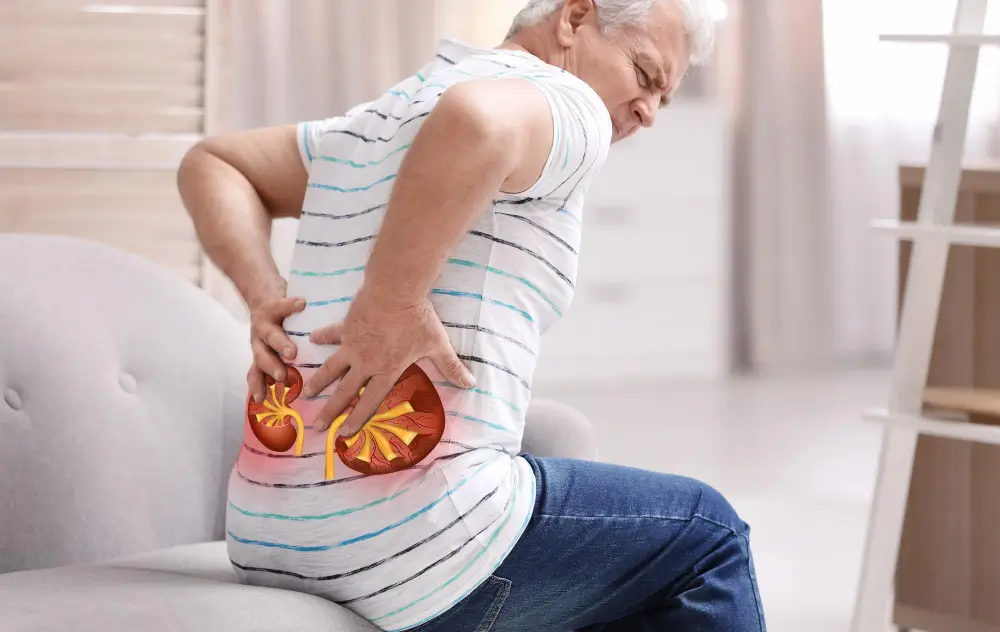
Sharp pain in the back or noticing blood in urine can be frightening. In many cases, these symptoms may be linked to kidney stones, a common urinary condition that affects many adults. When these stones move through the urinary tract, they can cause severe discomfort and complications. While some stones pass naturally, others require kidney stone treatment to relieve pain and prevent damage to the kidneys. Understanding the warning signs can help you seek timely medical care and avoid serious health problems.
What is a Kidney Stone?
Kidney stones are hard deposits made of minerals and salts that form inside the kidneys. They develop when urine becomes highly concentrated, allowing minerals to crystallize and stick together.
These stones can remain in the kidney or travel through the ureter (the tube connecting the kidney to the bladder). When they move, they can cause intense pain and urinary symptoms that may require kidney stone treatment.
Common types of kidney stones include:
-
Calcium stones (most common)
-
Uric acid stones
-
Struvite stones
-
Cystine stones
Common Symptoms That May Indicate Kidney Stones
Severe Back or Side Pain
Kidney stone pain often begins as sharp pain in the side or back below the ribs and may spread to the lower abdomen or groin.
Blood in the Urine
Urine may appear pink, red, or brown due to irritation caused by the stone.
Painful Urination
A burning sensation while urinating may occur when the stone moves closer to the bladder.
Frequent Urination
You may feel a constant urge to urinate or pass urine frequently in small amounts.
Nausea and Vomiting
Severe kidney stone pain can also cause nausea and vomiting.
Fever and Chills
If an infection occurs along with the stone, fever and chills may develop and require urgent medical attention.
When Does Kidney Stone Treatment Become Necessary?
Large Stones
Large stones may not pass naturally and can block the urinary tract.
Persistent or Severe Pain
If pain is severe or continues for several days, medical treatment may be necessary.
Urine Flow Blockage
A stone blocking the ureter can lead to swelling of the kidney and possible damage.
Blood in Urine or Infection
Persistent bleeding or infection requires prompt kidney stone treatment.
Recurrent Kidney Stones
People who frequently develop stones may require specialized treatment and preventive care.
Treatment Options for Kidney Stones
Medication and Hydration
Small stones can often pass naturally with increased water intake and medication to manage pain.
Shock Wave Lithotripsy (ESWL)
This procedure uses sound waves to break kidney stones into smaller pieces that can pass through urine.
Ureteroscopy
Doctors insert a thin scope through the urinary tract to locate and remove the stone.
Percutaneous Nephrolithotomy
For large stones, a minimally invasive surgery through a small incision in the back may be required.
How to Prevent Kidney Stones
-
Drink plenty of water daily
-
Reduce excessive salt intake
-
Maintain a balanced diet
-
Avoid excessive animal protein
-
Follow medical advice if you have had kidney stones before
Good hydration helps dilute urine and reduces the chances of stone formation.
Book a Consultation for Kidney Stone Treatment
If you are experiencing sharp back pain, blood in urine, or difficulty urinating, it is important not to ignore these symptoms. Early diagnosis can help prevent complications and ensure effective kidney stone treatment.
The experienced specialists at Zen Hospital provide advanced diagnosis and minimally invasive treatments for kidney stones, helping patients recover quickly and comfortably.
Frequently Asked Questions
Yes, small kidney stones can sometimes pass naturally with hydration and medication.
Kidney stones can cause severe pain in the back or side that may come in waves.
You should see a doctor if you experience severe pain, blood in urine, fever, or difficulty passing urine.
Yes, kidney stones can recur, especially if preventive measures are not followed.
Don’t Ignore the Signs of Kidney Stones
Persistent back pain or blood in urine should never be ignored. Getting the right kidney stone treatment at the right time can prevent serious complications.
Name: Zen Hospital / Zen Multispeciality Hospital
Address: Plot No. 425, 10th Road, Chembur East, Near Sandu Garden, Mumbai – 400071, Maharashtra, India.
Phone: Emergency: 022-35205600; OPD: 022-3520 5700 / 022-3520 5701
Email: [email protected]
Website: https://www.zenhospital.in/
