

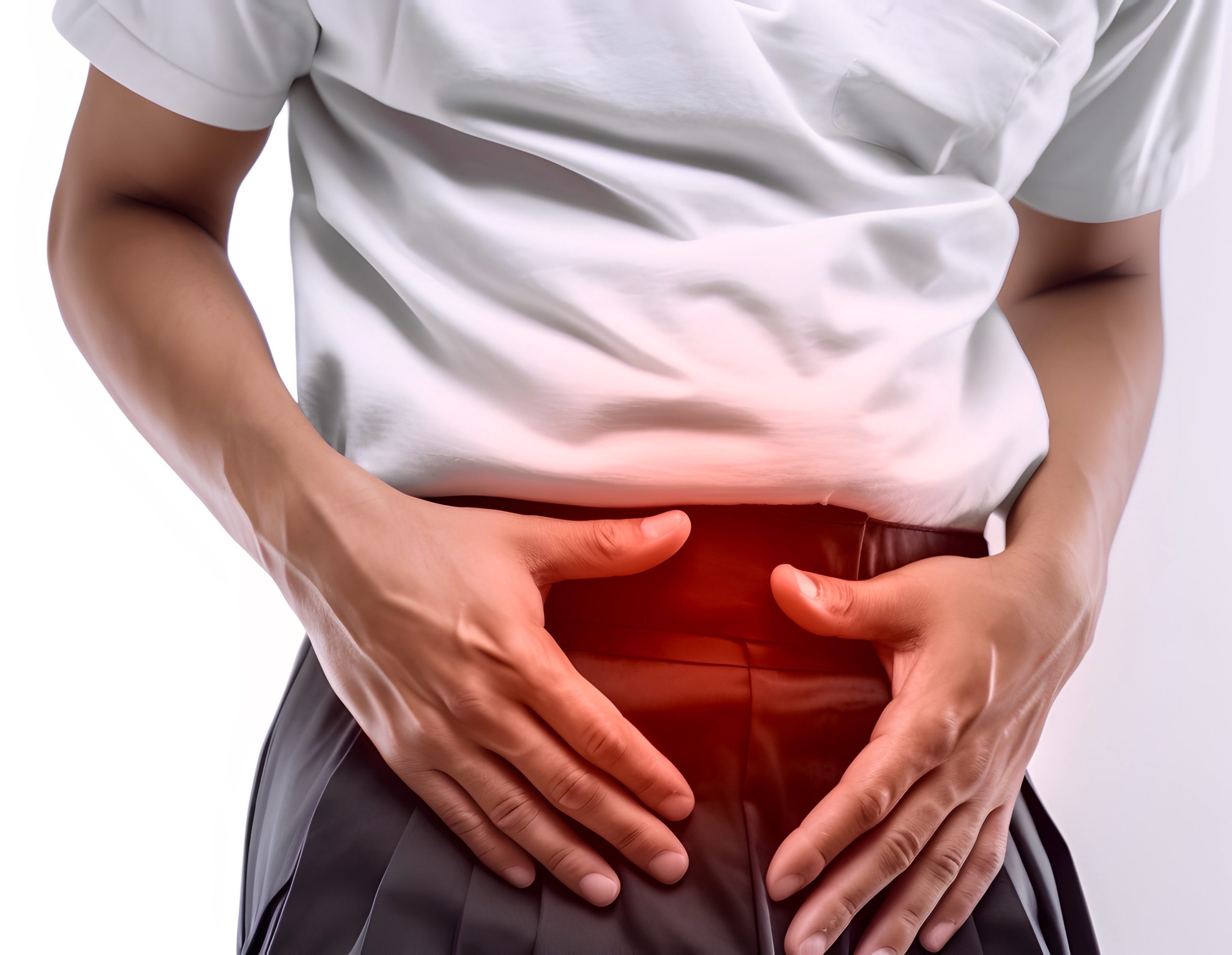
If you love your food loaded with chillies and spices, you’ve probably heard someone warn you, “Go easy, or you’ll get piles.” It’s one of those kitchen-table beliefs that’s been passed down for generations in Indian households but is there any real medical truth to it, or is it just another food myth we’ve all accepted without question?
At Zen Hospital, patients ask us this almost every week, usually right after a painful trip to the washroom following a spicy weekend meal. So let’s clear the air, separate the myth from the medical fact, and understand what actually causes piles.
What Are Piles (Hemorrhoids)?
Piles, medically known as hemorrhoids, are swollen veins located in the lower rectum or around the anus. They can develop inside the rectum (internal piles) or under the skin near the anus (external piles), and in some cases, both occur together.
Common symptoms include:
- Pain or discomfort during bowel movements
- Itching or irritation around the anus
- Bleeding while passing stool
- A lump or swelling near the anal area
- A feeling of incomplete evacuation
Left untreated, piles can affect daily comfort, sleep, and overall quality of life, which is why timely evaluation matters more than most people realise.
The Myth: "Spicy Food Causes Piles"
This is one of the most common misconceptions in India, where spicy food is practically a way of life. The belief usually comes from the fact that after eating spicy meals, many people experience burning sensations during bowel movements and they assume this “burning” is the same thing as developing piles.
Over time, this assumption has become so widespread that people often blame their diet the moment they notice any rectal discomfort, without actually understanding the underlying cause.
The Fact: What Medical Science Actually Says
Here’s the truth spicy food does not directly cause piles. There is no scientific evidence linking chilli or spice intake to the formation of hemorrhoids. Piles develop due to increased pressure on the veins in the rectal area, not because of what you eat in terms of spice level.
What spicy food can do is irritate the lining of your digestive tract, especially if you already have piles, fissures, or a sensitive gut. Capsaicin, the compound that gives chillies their heat, isn’t fully broken down during digestion. When it passes through the rectum, it can cause a burning or stinging sensation, particularly if the area is already inflamed or has minor tears.
So spicy food doesn’t create piles from scratch but it can absolutely make an existing case more uncomfortable, which is likely why the myth has stuck around for so long.
Why This Myth Refuses to Go Away
Part of the reason this myth persists is timing. People tend to notice discomfort immediately after a spicy meal, and our brains are wired to connect cause and effect based on what happened most recently not what’s been building up over weeks or months, like chronic constipation or a low-fiber diet.
In reality, piles usually develop gradually. The spicy dinner you had last night is rarely the actual trigger; it’s more likely the final straw on top of pre-existing strain in that area.
So, What Really Causes Piles?
The real culprits behind piles are related to pressure and strain on the rectal veins, not spice levels. These include:
- Chronic constipation and excessive straining during bowel movements
- Low-fiber diet, which leads to hard, difficult-to-pass stools
- Prolonged sitting or standing, common in desk jobs and long commutes
- Sedentary lifestyle with little physical activity
- Obesity, which increases pressure on pelvic veins
- Pregnancy, due to increased abdominal pressure
- Aging, as supporting tissues naturally weaken over time
- Heavy lifting, which raises intra-abdominal pressure
- Family history of hemorrhoidal disease
Notice that spicy food isn’t on this list. The real trigger is usually poor bowel habits and lifestyle factors, not your favorite curry or chilli chutney.
When Should You Consult a Doctor?
Don’t wait it out if you notice:
- Bleeding during or after bowel movements
- Persistent pain or a lump near the anus
- Symptoms lasting more than a week despite home care
- Recurring discomfort that affects your daily routine
- Sudden changes in bowel habits alongside rectal symptoms
Many patients delay consultation out of embarrassment, but early evaluation by a piles specialist surgeon in Mumbai can prevent the condition from worsening and rule out other issues like fissures, fistulas, or, rarely, more serious conditions that share similar symptoms.
How Are Piles Diagnosed?
Diagnosis is usually straightforward and doesn’t need to be intimidating. It typically involves:
- A physical and visual examination of the anal area
- A digital rectal examination to check for internal swelling
- In some cases, a proctoscopy or colonoscopy to get a clearer internal view
An accurate diagnosis helps your doctor rule out other conditions and decide the right course of treatment for your specific case.
Managing Piles: Practical Tips
While you don’t need to give up spice entirely, moderation helps if you’re already dealing with piles:
- Increase fiber intake through fruits, vegetables, and whole grains
- Stay well-hydrated throughout the day
- Avoid prolonged sitting; take short walks every hour
- Don’t strain or delay the urge to pass stool
- Limit spicy and oily food during flare-ups, not as a permanent restriction
- Practice good anal hygiene and avoid harsh wiping
Treatment Options at Zen Hospital
At Zen Hospital, treatment is tailored to the severity of the condition and the patient’s overall health:
- Lifestyle and dietary guidance for early-stage piles
- Medications to reduce inflammation and discomfort
- Minimally invasive procedures such as laser treatment or rubber band ligation for moderate cases
- Surgical intervention for advanced or recurring piles
Our experienced piles specialist surgeon in Mumbai evaluates each case individually to recommend the least invasive, most effective option, so patients can recover quickly and get back to daily life without ongoing discomfort.
Final Thoughts
Spicy food might irritate an existing condition, but it isn’t the villain it’s made out to be. Piles are usually the result of constipation, straining, and lifestyle habits not your love for chillies.
If you’re experiencing persistent discomfort, bleeding, or swelling, don’t rely on guesswork or home remedies alone. Book a consultation with a piles specialist surgeon in Mumbai at Zen Hospital and get an accurate diagnosis along with a treatment plan suited to your needs.
Frequently Asked Questions
No, spicy food does not cause piles. It may irritate existing hemorrhoids or fissures but isn’t a direct cause of the condition.
It’s best to limit spicy food during flare-ups, as it can increase burning and discomfort, even though it won’t worsen the underlying swelling.
Chronic constipation, straining during bowel movements, a low-fiber diet, prolonged sitting, obesity, and pregnancy are the most common causes.
Yes, early-stage piles often respond well to dietary changes, medications, and minimally invasive treatments. Surgery is usually reserved for advanced cases.
Doctors typically use a physical examination, a digital rectal exam, and sometimes a proctoscopy to confirm the diagnosis and rule out other conditions.
Name: Zen Hospital / Zen Multispeciality Hospital
Address: Plot No. 425, 10th Road, Chembur East, Near Sandu Garden, Mumbai – 400071, Maharashtra, India.
Phone: Emergency: 022-35205600; OPD: 022-3520 5700 / 022-3520 5701
Email: [email protected]
Website: https://www.zenhospital.in/
