

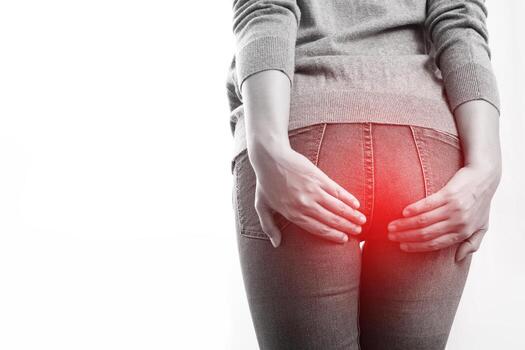
A little discomfort near the anus is easy to brush off. Most people assume it’s from sitting too long, minor irritation, or a passing infection that will heal on its own. But when the same pain, swelling, or discharge keeps returning, it could be pointing to something more specific an anal fistula.
An anal fistula rarely appears out of nowhere. It usually develops slowly, often following an untreated abscess, and the early symptoms are easy to dismiss until they start interfering with daily life. Catching these signs early makes a real difference both in comfort and in how simple the treatment turns out to be.
If you’ve been noticing symptoms that don’t seem to go away, it’s worth getting checked by an experienced fistula specialist doctor in Mumbai rather than waiting it out. Let’s walk through what an anal fistula actually is, and the seven early signs that deserve your attention.
What Is an Anal Fistula?
An anal fistula is a small, abnormal tunnel that forms between the inside of the anal canal and the skin near the anus. It typically develops after a gland inside the anus becomes infected and forms an abscess. When that abscess doesn’t heal completely either on its own or after drainage it can leave behind a tract that continues to cause irritation, discharge, and recurring infection.
Because the condition tends to develop gradually, many people live with mild symptoms for weeks before seeking help. This is exactly why early recognition matters so much.
7 Early Warning Signs of Anal Fistula
1. Persistent Pain Near the Anus
Occasional discomfort after a bowel movement is common, but ongoing, throbbing pain near the anus especially pain that worsens when sitting, walking, or passing stool is a signal worth paying attention to.
2. Recurrent Swelling or a Lump
A small, tender lump or swelling near the anal opening that keeps coming back, even after it seems to settle down, is one of the clearest early indicators of a fistula tract forming underneath the skin.
3. Foul-Smelling Discharge
Unexplained discharge pus, blood, or a thick fluid with an unpleasant odor leaking from an opening near the anus is a hallmark symptom. It may stain underwear and often gets mistaken for a minor skin issue.
4. Itching and Skin Irritation
Constant dampness from discharge can irritate the surrounding skin, leading to persistent itching, redness, or soreness that doesn’t respond to regular hygiene or over-the-counter creams.
5. Bleeding During Bowel Movements
Light bleeding, particularly when paired with pain or discharge, shouldn’t be written off as a simple case of piles. It’s worth having it properly evaluated rather than assumed.
6. Fever and General Fatigue
When an underlying abscess is active, the body may respond with low-grade fever, chills, or unexplained tiredness. This is often a sign that infection is present and needs prompt attention.
7. Difficulty or Discomfort While Sitting
Struggling to sit comfortably for extended periods, or feeling constant pressure in the anal region, is a symptom many people adjust their routine around instead of getting it checked which only delays diagnosis.
When Symptoms Become Concerning
If any of these signs persist for more than a week or two, keep recurring, or come with fever and worsening pain, it’s time to stop waiting and see a doctor. Anal fistulas don’t heal on their own with home remedies, and delaying care can lead to more complex tracts that are harder to treat.
Causes and Risk Factors
- Anal abscess history: Most fistulas trace back to a previous or unresolved abscess.
- Inflammatory bowel disease: Conditions like Crohn’s disease raise the risk significantly.
- Chronic constipation or diarrhea: Ongoing bowel irregularity can contribute to gland inflammation.
- Prior anal surgery or trauma: Previous procedures near the anal region can increase susceptibility.
- Weakened immunity: Conditions like diabetes can slow healing and encourage infection.
Diagnosis of Anal Fistula
A qualified fistula specialist doctor in Mumbai will usually begin with a physical examination, followed by imaging such as an MRI or endoanal ultrasound to map the fistula tract accurately. This helps determine the exact path of the tract before planning treatment.
Treatment Options
- Fistulotomy: Opening and cleaning the tract for simpler, low-lying fistulas.
- Seton placement: Used for complex tracts to drain infection gradually.
- LIFT procedure or laser fistula treatment: Minimally invasive techniques offering faster recovery.
- Advanced sphincter-sparing surgery: For fistulas involving the anal sphincter muscles, to preserve continence.
Modern treatment approaches focus on precision and faster healing, so patients can return to normal life sooner with minimal discomfort.
Why Choose Zen Hospital
At Zen Hospital, patients get access to an experienced fistula specialist doctor in Mumbai, supported by advanced diagnostic tools and minimally invasive treatment options tailored to each case. The focus stays on accurate diagnosis, compassionate care, and long-term relief not just symptom management.
Treatment Options at Zen Hospital
Final Thoughts
Your body usually gives you signals long before a condition becomes serious. Persistent pain, discharge, or swelling near the anus isn’t something to manage quietly on your own. The earlier it’s evaluated, the simpler the treatment tends to be.
If these symptoms sound familiar, don’t wait for them to worsen. Book a consultation with the fistula specialist doctor in Mumbai at Zen Hospital and get the clarity and relief you deserve.
Frequently Asked Questions
Most anal fistulas do not heal completely on their own and typically require medical or surgical intervention for lasting relief.
Modern techniques, including laser and minimally invasive procedures, are designed to minimize pain and shorten recovery time compared to traditional surgery.
Recovery varies by procedure and complexity, ranging from a few days for simple cases to a few weeks for more complex tracts.
No. Piles (hemorrhoids) involve swollen blood vessels, while a fistula is an abnormal tunnel connecting the anal canal to the skin they require different treatments.
If you notice recurring pain, swelling, or discharge near the anus lasting more than one to two weeks, it’s best to consult a specialist promptly
Name: Zen Hospital / Zen Multispeciality Hospital
Address: Plot No. 425, 10th Road, Chembur East, Near Sandu Garden, Mumbai – 400071, Maharashtra, India.
Phone: Emergency: 022-35205600; OPD: 022-3520 5700 / 022-3520 5701
Email: [email protected]
Website: https://www.zenhospital.in/
