

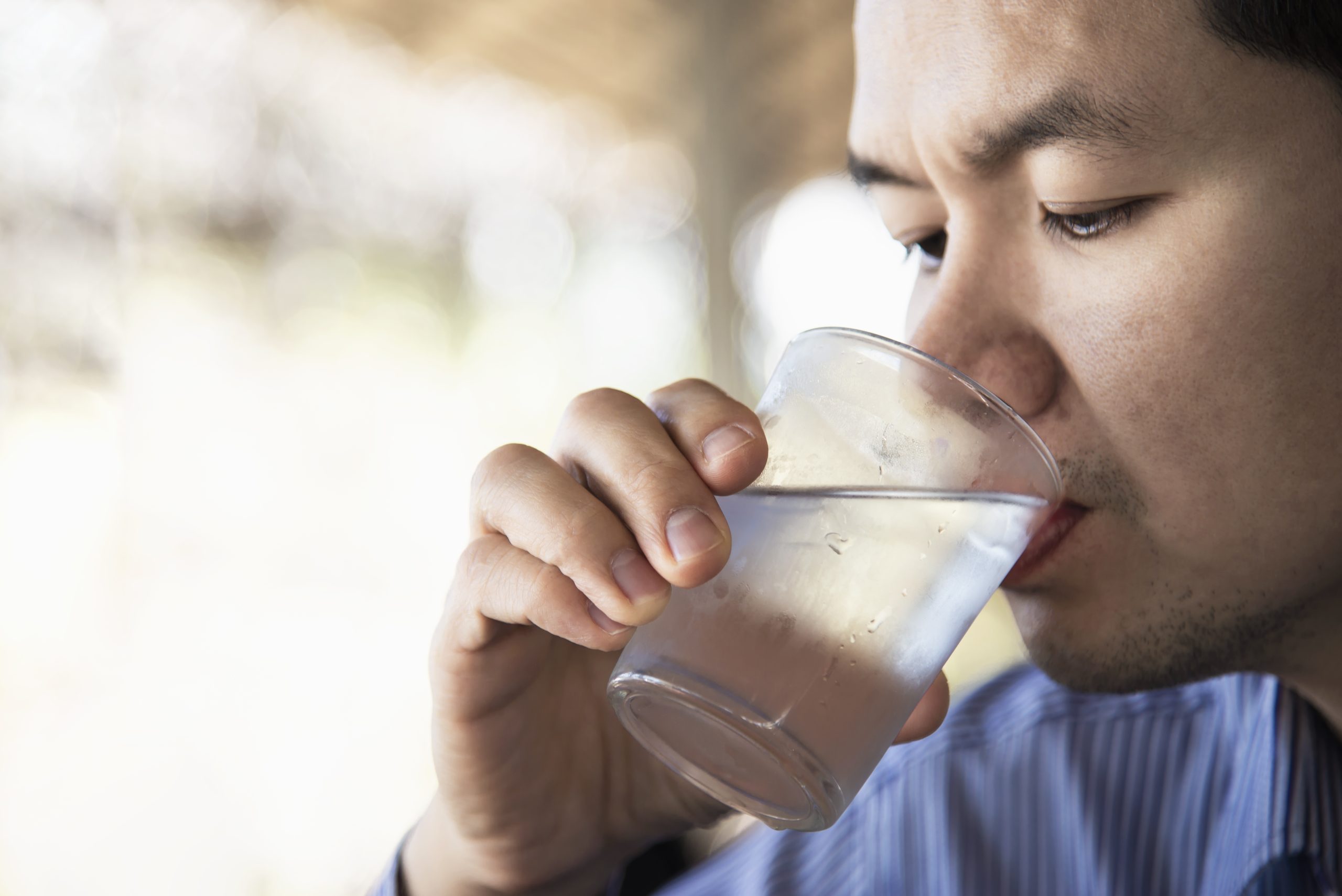
Many people underestimate the importance of staying hydrated throughout the day. Busy schedules, long working hours, and simply forgetting to drink water often result in inadequate fluid intake. While dehydration may seem harmless initially, it can have a significant impact on kidney health.
One of the most common concerns linked to poor hydration is the development of kidney stones. These painful mineral deposits can affect people of all ages and may lead to severe discomfort if left untreated. Although kidney stones can occur due to several factors, inadequate water intake remains one of the most important and preventable risk factors.
Understanding the relationship between hydration and kidney stones can help individuals make informed choices about their health. If you are experiencing symptoms such as severe back pain, painful urination, or blood in the urine, seeking timely Kidney stone treatment in Mumbai can help prevent complications and ensure proper management.
Understanding Kidney Stones
What Are Kidney Stones?
Kidney stones are hard deposits made of minerals and salts that form inside the kidneys. They develop when substances such as calcium, oxalate, and uric acid become highly concentrated in the urine and crystallize.
These crystals can gradually grow into stones of varying sizes. Some stones are small enough to pass naturally through the urinary tract, while larger stones may require medical intervention and specialized Kidney stone treatment in Mumbai.
How Do Kidney Stones Form?
The kidneys continuously filter waste products and excess fluids from the blood. When urine becomes too concentrated due to insufficient fluid intake, minerals have a greater chance of sticking together and forming crystals.
Over time, these crystals may enlarge and develop into kidney stones.
Does Drinking Less Water Really Cause Kidney Stones?
The short answer is yes – drinking too little water can significantly increase the risk of kidney stone formation.
Water helps dilute the minerals and waste products present in urine. When you do not drink enough fluids, urine becomes concentrated, creating an ideal environment for stone formation.
Research consistently shows that individuals who consume inadequate fluids are more likely to develop kidney stones compared to those who maintain proper hydration.
However, dehydration is not the only cause. Other factors such as diet, genetics, obesity, and certain medical conditions can also contribute to stone formation.
Why Hydration Matters for Kidney Health
Dilutes Urine
Adequate water intake keeps urine diluted, reducing the concentration of stone-forming substances.
Flushes Out Waste
Proper hydration helps the kidneys efficiently remove toxins, minerals, and waste products before they accumulate.
Prevents Crystal Formation
When urine remains dilute, crystals are less likely to form and grow into larger stones.
Supports Overall Kidney Function
Water plays a critical role in maintaining healthy kidney filtration and urinary tract function.
Individuals seeking preventive care often receive hydration counseling as part of comprehensive Kidney stone treatment in Mumbai programs.
How Much Water Is Enough?
There is no single answer that applies to everyone because fluid requirements vary based on age, climate, activity level, and overall health.
General Recommendation
Most healthy adults should aim for:
- 2 to 3 liters of fluids daily
- Approximately 8–12 glasses of water per day
Factors That Increase Water Needs
You may need additional fluids if you:
- Exercise regularly
- Live in a hot or humid climate
- Sweat excessively
- Have a history of kidney stones
- Experience vomiting or diarrhea
Check Your Urine Color
A simple way to assess hydration is by observing urine color:
| Urine Color | Hydration Status |
| Pale yellow | Well hydrated |
| Dark yellow | Mild dehydration |
| Amber or brown | Significant dehydration |
Clear or light-yellow urine generally indicates adequate hydration.
Other Risk Factors for Kidney Stones
While low water intake is a major contributor, several other factors can increase the likelihood of developing kidney stones.
Diet High in Salt
Excess sodium increases calcium levels in urine, promoting stone formation.
High Oxalate Foods
Foods such as spinach, nuts, and chocolate may contribute to certain types of stones in susceptible individuals.
Obesity
Being overweight increases the risk of metabolic changes associated with kidney stones.
Family History
Genetics can influence an individual’s tendency to develop kidney stones.
Medical Conditions
Conditions such as gout, recurrent urinary tract infections, and certain digestive disorders can increase risk.
Patients with these risk factors should discuss preventive strategies during consultations for Kidney stone treatment in Mumbai
Symptoms of Kidney Stones
Kidney stones may not cause symptoms initially. However, when they move within the urinary tract, symptoms can become severe.
Common signs include:
- Sharp pain in the back or side
- Pain during urination
- Blood in the urine
- Frequent urination
- Nausea and vomiting
- Cloudy or foul-smelling urine
- Fever and chills in cases of infection
Persistent symptoms should never be ignored and require prompt medical evaluation.
When Should You See a Doctor?
You should seek medical attention if you experience:
- Severe or persistent pain
- Difficulty passing urine
- Blood in urine
- Recurrent urinary infections
- Fever associated with urinary symptoms
Early diagnosis can help prevent complications and reduce the need for extensive Kidney stone treatment in Mumbai.
Diagnosis of Kidney Stones
Doctors use several methods to identify kidney stones and determine the most appropriate treatment approach.
Physical Examination
Evaluation of symptoms and medical history.
Urine Tests
Assessment of infection, blood, and mineral levels.
Blood Tests
Measurement of kidney function and metabolic abnormalities.
Imaging Studies
Ultrasound, CT scans, and X-rays help locate stones and assess their size.
Treatment Options for Kidney Stones
Increased Fluid Intake
Small stones may pass naturally with adequate hydration.
Medications
Certain medicines help reduce pain and facilitate stone passage.
Shock Wave Therapy
Non-invasive procedures can break larger stones into smaller fragments.
Minimally Invasive Surgery
Large or complex stones may require surgical removal.
Modern facilities offering Kidney stone treatment in Mumbai provide advanced diagnostic and treatment options tailored to individual needs.
Preventing Kidney Stones
Simple lifestyle changes can significantly reduce risk:
- Drink sufficient water daily
- Limit excessive salt intake
- Maintain a healthy weight
- Follow a balanced diet
- Stay physically active
- Attend regular health checkups
Prevention remains the most effective strategy against recurrent kidney stones.
Final Thoughts
Drinking less water does not guarantee that you will develop kidney stones, but it significantly increases your risk. Proper hydration helps dilute urine, prevent crystal formation, and support healthy kidney function.
If you notice symptoms such as severe pain, urinary changes, or recurrent kidney stone episodes, do not delay seeking professional medical advice. Early diagnosis and timely treatment can prevent complications and improve outcomes.
At Zen Hospital, experienced specialists provide comprehensive evaluation, advanced treatment options, and personalized care for kidney stone patients. Book your consultation today and take the first step toward better kidney health.
Frequently Asked Questions
Yes. Inadequate water intake leads to concentrated urine, increasing the risk of mineral crystal formation and kidney stones.
Most adults should drink approximately 2–3 liters of fluids daily, although individual requirements may vary.
Small stones often pass naturally, while larger stones may require medical treatment.
Common early symptoms include back pain, side pain, painful urination, and blood in the urine.
People with dehydration, obesity, family history, high-salt diets, and certain medical conditions have a greater risk.
Name: Zen Hospital / Zen Multispeciality Hospital
Address: Plot No. 425, 10th Road, Chembur East, Near Sandu Garden, Mumbai – 400071, Maharashtra, India.
Phone: Emergency: 022-35205600; OPD: 022-3520 5700 / 022-3520 5701
Email: [email protected]
Website: https://www.zenhospital.in/
