

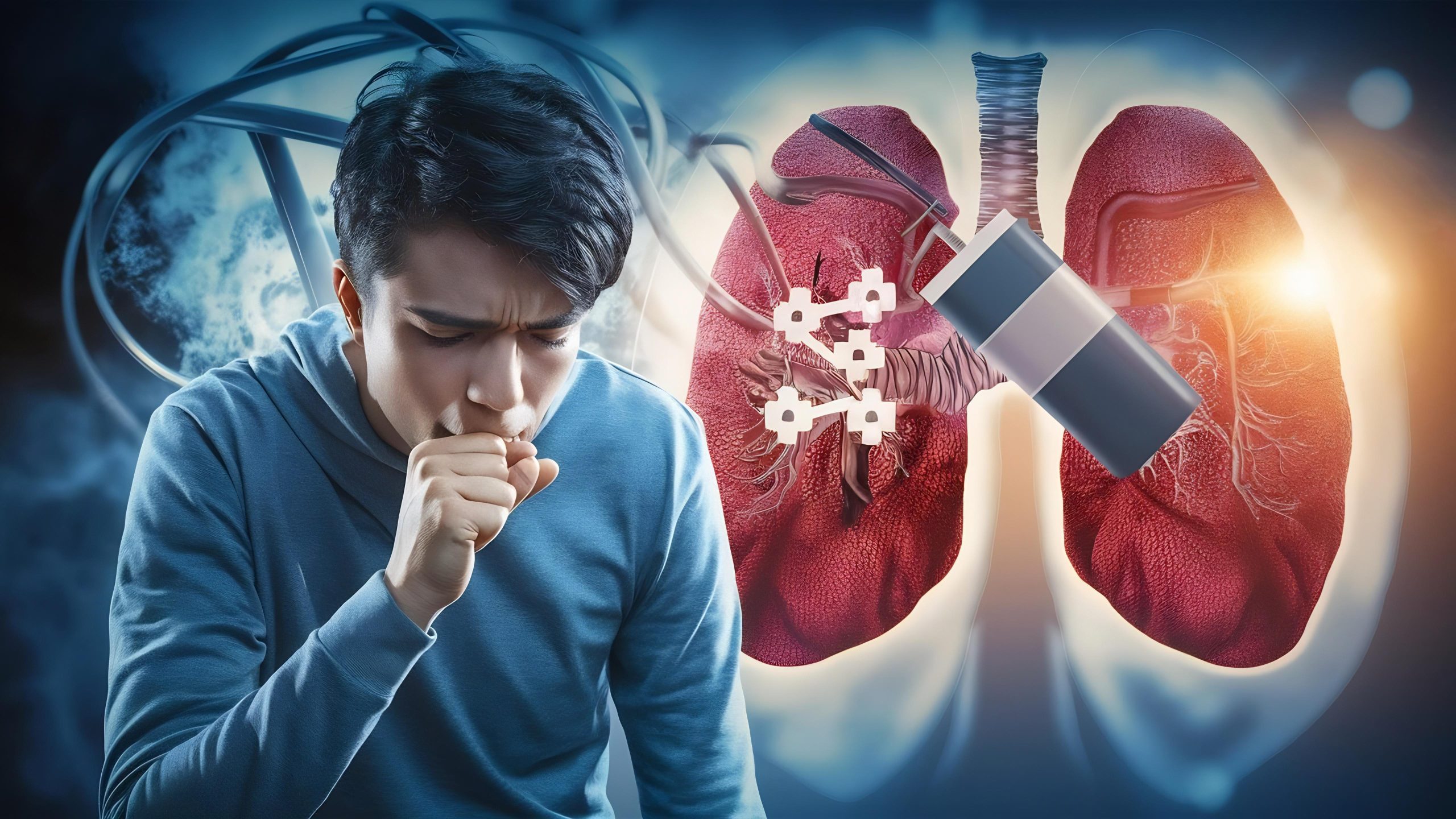
Most of us link lung cancer to cigarettes. So when a non-smoker starts coughing persistently or feels breathless climbing a flight of stairs it’s easy to brush it off as “just the weather” or a passing cold.
But here’s the uncomfortable truth: the air we breathe every day in a city like Mumbai could be doing quiet long-term damage to our lungs even if we’ve never touched a cigarette.
Doctors are seeing a rising number of lung cancer cases in people who have never smoked. Growing evidence points to one major shared factor: air pollution. Fine particulate matter vehicle emissions and industrial smoke don’t just cause a scratchy throat. Over years of exposure they can trigger changes deep inside lung tissue.
This is why persistent respiratory symptoms should never be ignored and why timely evaluation at a trusted Cancer Hospital in Mumbai can make a real difference. Let’s understand how pollution affects the lungs who is most at risk and when it’s time to see a specialist.
Why This Conversation Matters Now
Mumbai’s air quality has been a growing concern for years with traffic congestion construction dust and industrial emissions contributing to poor air days across the city. Many residents accept this as an unavoidable part of urban life without realising the cumulative effect it can have on respiratory health.
Unlike smoking which is a visible and personal choice pollution exposure is largely involuntary. You can quit cigarettes but you can’t simply stop breathing the city’s air. This makes awareness and early screening even more important for people who consider themselves otherwise healthy and low-risk.
How Air Pollution Affects the Lungs
The air in urban areas carries tiny particles known as PM2.5 so small they can travel deep into the lungs and even enter the bloodstream. With repeated exposure these particles cause ongoing inflammation in lung tissue.
Over time this constant irritation can damage the DNA of lung cells. When cell repair mechanisms can’t keep up abnormal cells may begin to grow uncontrollably the starting point of cancer. This is a slow process often unfolding silently over years which is exactly why it’s frequently missed until symptoms appear.
Beyond PM2.5 pollutants like nitrogen dioxide sulphur dioxide and volatile organic compounds from vehicle exhaust and industrial sources add to the toxic load on the respiratory system. Some of these compounds are classified as carcinogens meaning they have a direct documented link to cancer development with prolonged exposure. Indoor air pollution from sources like poorly ventilated kitchens or incense and mosquito coils can compound this risk further especially for those who spend long hours at home.
Why Non-Smokers Are Also at Risk
Smoking remains the leading cause of lung cancer but it isn’t the only one. Non-smokers exposed to high pollution levels secondhand smoke occupational dust or indoor cooking fumes face a measurable risk too.
Genetics existing respiratory conditions and prolonged outdoor exposure such as daily commuting in heavy traffic can further add to this risk. It’s a reminder that lung health isn’t only about personal habits; environment plays a significant role as well.
Certain occupations also carry higher exposure levels. Traffic police delivery riders construction workers and anyone spending long hours outdoors in high-traffic zones are exposed to significantly more particulate matter than the average office worker. Over years this occupational exposure can add up in the same way smoking does gradually increasing cellular damage in the lungs.
Age is another factor worth noting. While lung cancer linked to pollution can occur at any age risk tends to rise after the age of 40 particularly when combined with years of continuous exposure. This makes routine health checkups increasingly important as we grow older even in the absence of obvious symptoms.
Warning Signs You Shouldn't Ignore
- A cough that lingers for more than three weeks
- Breathlessness during routine activities
- Unexplained fatigue or weight loss
- Chest discomfort or a dull ongoing ache
- Hoarseness or voice changes that don’t resolve
None of these symptoms confirm cancer on their own. But when they persist they deserve a proper medical evaluation rather than self-diagnosis or delay.
Diagnosis and Early Detection
Modern diagnostic tools make early detection far more achievable than before. A specialist may recommend a chest X-ray or CT scan to look for abnormal growths followed by a biopsy if something suspicious is found. Blood tests and pulmonary function tests can also help build a complete picture of lung health.
Early-stage lung cancer is far more treatable which is why timely consultation matters so much.
Treatment Options Available Today
Depending on the stage and overall health of the patient treatment may include surgery to remove the affected portion of the lung chemotherapy radiation therapy or newer targeted and immunotherapy options. Many patients today benefit from a combination approach personalised to their specific diagnosis.
When Should You See a Doctor?
If you’ve been dismissing a cough or breathlessness as “just pollution” for weeks it’s time to get checked. This is especially true if you live or work in high-traffic high-pollution areas or have a family history of cancer.
A specialist can guide you through the right tests without unnecessary alarm and rule out or confirm the presence of disease early when treatment tends to work best.
Simple Steps to Protect Your Lungs
While you can’t control the city’s air quality single-handedly a few habits can reduce your personal exposure. Checking the daily Air Quality Index before heading out wearing a well-fitted mask on high-pollution days and keeping indoor spaces well-ventilated can all help.
Adding air-purifying plants indoors avoiding unnecessary outdoor exercise during peak pollution hours and scheduling an annual health checkup are small practical steps that add up over time. None of these guarantee immunity but they do lower cumulative exposure and that matters over years not days.
Zen Hospital also supports patients across other critical specialities including advanced Cancer Hospital In Mumbai so families dealing with multiple health concerns can find coordinated compassionate care under one roof.
Final Thoughts
Air pollution is a part of city life we can’t always control but our response to our body’s warning signs is entirely within our hands. Persistent respiratory symptoms are your body asking for attention not something to push aside.
If you or a loved one has ongoing symptoms don’t wait. Reach out to the specialists at Zen Hospital a trusted Cancer Hospital in Mumbai for a thorough evaluation and a clear path forward.
Frequently Asked Questions
Yes. Long-term exposure to fine particulate matter and toxic pollutants can damage lung cells over time increasing cancer risk even in non-smokers.
Consistently high PM2.5 levels common in many Indian cities are linked to increased respiratory and cancer risk especially with prolonged daily exposure.
Diagnosis typically involves imaging tests like CT scans followed by a biopsy to confirm findings along with blood and lung function tests.
Yes especially when detected early. Treatment options include surgery chemotherapy radiation and targeted therapies based on the individual case.
If you have a persistent cough breathlessness or unexplained fatigue lasting more than two to three weeks it’s advisable to consult a specialist promptly.
Name: Zen Hospital / Zen Multispeciality Hospital
Address: Plot No. 425, 10th Road, Chembur East, Near Sandu Garden, Mumbai – 400071, Maharashtra, India.
Phone: Emergency: 022-35205600; OPD: 022-3520 5700 / 022-3520 5701
Email: [email protected]
Website: https://www.zenhospital.in/
