

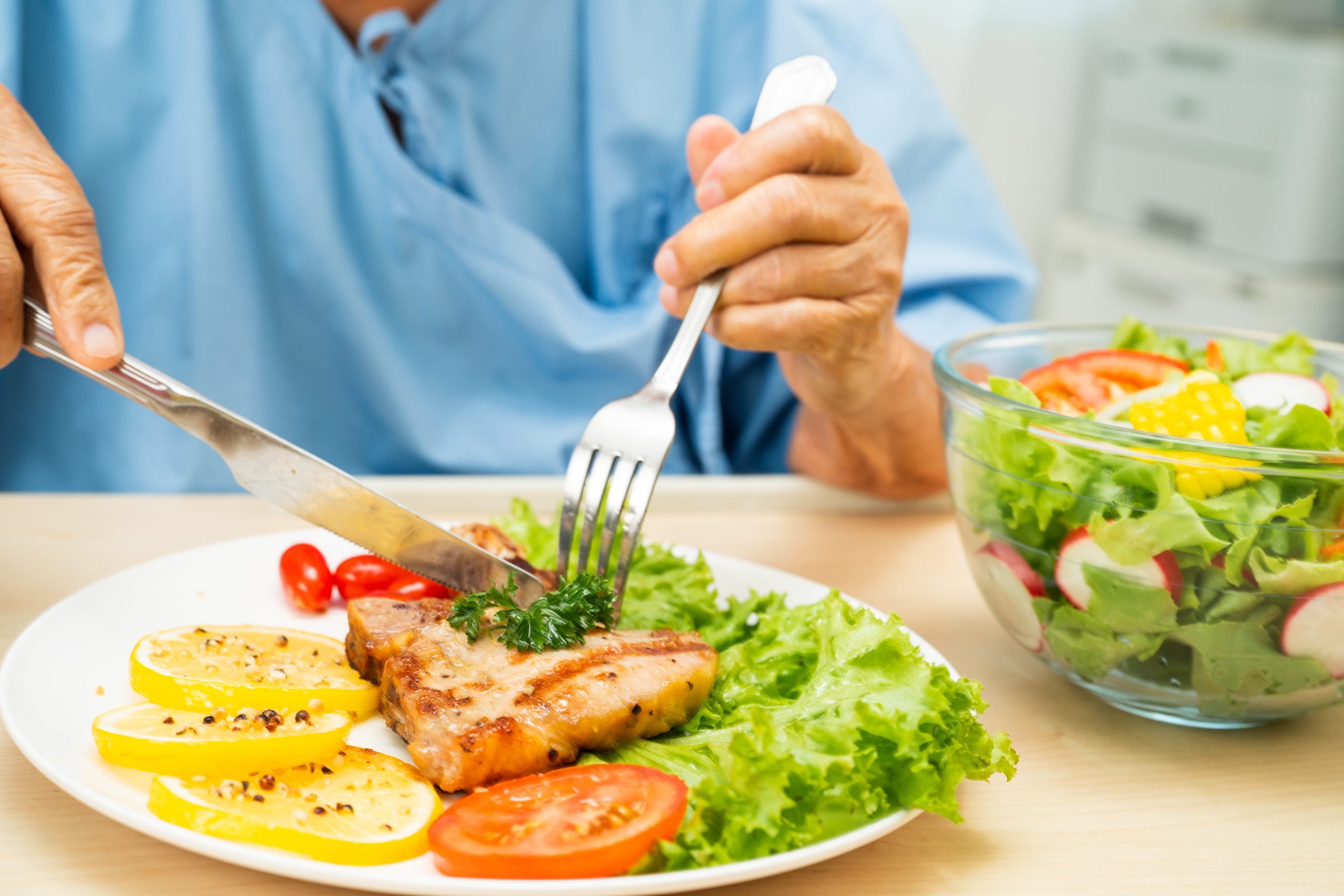
Kidney stones are becoming increasingly common due to unhealthy eating habits, low water intake, and sedentary lifestyles. Many people are surprised to learn that some everyday foods they consume regularly may actually increase the risk of kidney stone formation. While kidney stones can affect anyone, poor dietary choices are one of the leading causes behind this painful condition.
Kidney stones are hard mineral deposits that form inside the kidneys and may cause severe pain, burning urination, nausea, and discomfort. Doctors providing Kidney Stone Treatment In Mumbai often advise patients to pay close attention to their diet to prevent recurring stones.
Understanding which foods can contribute to kidney stones can help you make healthier choices and protect your kidney health.
What Are Kidney Stones?
Kidney stones are hard crystal-like deposits formed from minerals and salts in the urine. They develop when substances like calcium, oxalate, and uric acid become concentrated and stick together inside the kidneys.
Some stones are very small and pass naturally, while larger stones can block the urinary tract and require medical treatment. Early diagnosis and proper Kidney Stone Treatment In Mumbai can help prevent complications and reduce recurrence.
Everyday Foods That May Cause Kidney Stones
Spinach and Oxalate-Rich Foods
Spinach is highly nutritious but also rich in oxalates, which can combine with calcium and form calcium oxalate stones the most common type of kidney stones.
Other high-oxalate foods include:
- Beetroot
- Sweet potatoes
- Nuts
- Chocolate
These foods do not need to be completely avoided, but excessive consumption may increase the risk in people prone to kidney stones.
Salty and Processed Foods
Excess sodium increases calcium levels in urine, which can contribute to stone formation. Many packaged and processed foods contain hidden salt that negatively affects kidney health.
Common high-sodium foods include:
- Chips and snacks
- Instant noodles
- Fast food
- Processed sauces
- Pickles
Reducing salt intake is one of the simplest ways to lower the risk of kidney stones.
Sugary Soft Drinks
Soft drinks and sugary beverages can increase the risk of dehydration and kidney stone formation. Cola drinks often contain phosphoric acid, which may contribute to stone development.
Frequent consumption of:
- Soda
- Energy drinks
- Sweetened juices
may increase stress on the kidneys over time. Drinking enough water daily remains the best prevention strategy.
Excess Animal Protein
Eating too much red meat, seafood, and poultry can increase uric acid levels and reduce citrate in urine, both of which contribute to kidney stones.
High-protein diets may also increase calcium excretion in urine, making stone formation more likely. Moderation is important for maintaining kidney health.
Tea and Chocolate
Tea and chocolate contain oxalates that may contribute to kidney stones if consumed excessively. People with a history of stones should consume these foods in moderation and maintain proper hydration.
Symptoms of Kidney Stones
Many viral remedies claim to cure high blood pressure immediately. Doctors warn that these claims are often misleading.
There is no evidence that a single food, drink, or home remedy can permanently lower blood pressure within minutes.
Patients should also avoid stopping prescribed medicines without medical advice, as this may worsen their condition.
Common Symptoms of High Blood Pressure
Kidney stones may not cause symptoms initially, but as they grow or move, symptoms can become severe.
Common Warning Signs
- Severe pain in the back or side
- Burning sensation during urination
- Blood in urine
- Frequent urge to urinate
- Nausea or vomiting
- Lower abdominal discomfort
If these symptoms persist, immediate medical consultation is important.
Who Is at Higher Risk?
Certain factors increase the likelihood of developing kidney stones.
Dehydration
Not drinking enough water is one of the leading causes of kidney stones.
Family History
People with a family history of kidney stones have a higher risk of developing them.
Obesity and Sedentary Lifestyle
Excess weight and lack of physical activity can contribute to stone formation.
Medical Conditions
Conditions such as diabetes, gout, and urinary tract infections may increase kidney stone risk.
How to Prevent Kidney Stones
Drink More Water
Proper hydration helps flush minerals and prevents crystals from forming inside the kidneys.
Reduce Salt Intake
Limiting processed and salty foods can reduce calcium buildup in urine.
Eat a Balanced Diet
A healthy diet rich in fruits, vegetables, and whole grains supports kidney health and lowers stone risk.
Avoid Excess Supplements
Taking too many vitamin C or calcium supplements without medical advice may increase the risk of stones.
Stay Physically Active
Regular exercise and maintaining a healthy weight help improve overall kidney function.
Diagnosis and Treatment
Doctors may use urine tests, blood tests, ultrasound, or CT scans to diagnose kidney stones.
Treatment depends on the size and location of the stone.
Treatment Options Include:
- Medications for pain relief
- Increased hydration
- Laser treatment
- Minimally invasive stone removal procedures
Patients seeking advanced Kidney Stone Treatment In Mumbai can benefit from modern technology and specialized care that improves recovery and prevents recurrence.
Final Thoughts
Kidney stones can be extremely painful, but many cases are preventable with simple lifestyle and dietary changes. Everyday foods like salty snacks, sugary drinks, excess meat, and oxalate-rich foods may quietly increase the risk if consumed excessively.
Listening to your body, staying hydrated, and seeking timely medical care are essential for maintaining kidney health.
At Zen Hospital, patients receive compassionate and advanced care for kidney stone diagnosis and treatment. If you experience persistent pain or urinary symptoms, consult a specialist early to avoid complications and protect your kidney health.
Frequently Asked Questions
Small stones may pass naturally with hydration and medications, but larger stones may require treatment.
Yes, low water intake is one of the biggest risk factors for kidney stone formation.
Water is the best drink for preventing kidney stones.
Yes, excessive salt, sugar, oxalates, and animal protein can increase stone risk.
Consult a doctor if you experience severe pain, blood in urine, fever, or difficulty urinating.
Name: Zen Hospital / Zen Multispeciality Hospital
Address: Plot No. 425, 10th Road, Chembur East, Near Sandu Garden, Mumbai – 400071, Maharashtra, India.
Phone: Emergency: 022-35205600; OPD: 022-3520 5700 / 022-3520 5701
Email: [email protected]
Website: https://www.zenhospital.in/
