

That dull ache under your right ribs after a heavy meal is easy to dismiss as acidity or gas. But when the pain keeps coming back, often at night or after fried food, your gallbladder may be asking for attention.
Recurrent gallstone pain rarely goes away on its own. Left untreated, it can lead to infection, inflammation, or blocked bile ducts. The good news is that modern keyhole surgery treats it safely, with a quick recovery. Consulting the best laparoscopic surgeon in Mumbai early can spare you months of discomfort and avoid emergency complications.
Let’s look at the warning signs, when to see a doctor, and what laparoscopic surgery involves.
Understanding Gallstones and Recurrent Pain
What Are Gallstones?
The gallbladder is a small organ under the liver that stores bile, a fluid that helps digest fats. Gallstones are hardened deposits, made of cholesterol or bilirubin, that form inside it. They can be as small as a grain of sand or as large as a golf ball.
Why Does the Pain Keep Returning?
Gallstones don’t dissolve on their own. When a stone temporarily blocks the gallbladder’s outlet, the organ contracts and causes a sharp spasm called biliary colic. The stone may then shift and the pain eases, which is why many people wait. But the stones are still there, and the next attack is only a matter of time.
Warning Signs of Gallstone Problems
- Upper right abdominal pain lasting from 30 minutes to several hours
- Pain spreading to the back or right shoulder blade
- Nausea and vomiting, especially after oily meals
- Bloating and indigestion that keep recurring
- Fever with chills, which may signal infection
- Yellowing of the skin or eyes (jaundice)
- Dark urine or pale stools
Who Is at Higher Risk?
- Women, especially those who have had multiple pregnancies
- People over 40
- Those with obesity or rapid weight loss
- A family history of gallstones
- Diabetes or high cholesterol
- A diet high in fat and low in fibre
When Should You See a Doctor?
Book a consultation if pain returns more than once, or if bloating and nausea keep following meals. Don’t wait for the next attack.
Seek urgent care if you have severe pain lasting over five hours, fever with abdominal pain, jaundice, or persistent vomiting. These can indicate gallbladder infection or pancreatitis, both of which need prompt treatment.
How Gallstones Are Diagnosed
- Ultrasound: the most common test, which shows stones and gallbladder wall thickening.
- Blood tests: check for infection, liver function, and pancreatic enzymes.
- MRCP or CT scan: used when stones may have moved into the bile duct.
- HIDA scan: assesses how well the gallbladder functions, in selected cases.
Treatment: Why Laparoscopic Surgery Is Preferred
Medicines can ease symptoms, but they don’t remove stones, and the pain usually returns. For recurrent attacks, removing the gallbladder, a procedure called laparoscopic cholecystectomy, is the standard treatment. You can live a normal life without a gallbladder, as bile flows directly from the liver to the intestine.
What Happens During Laparoscopic Surgery?
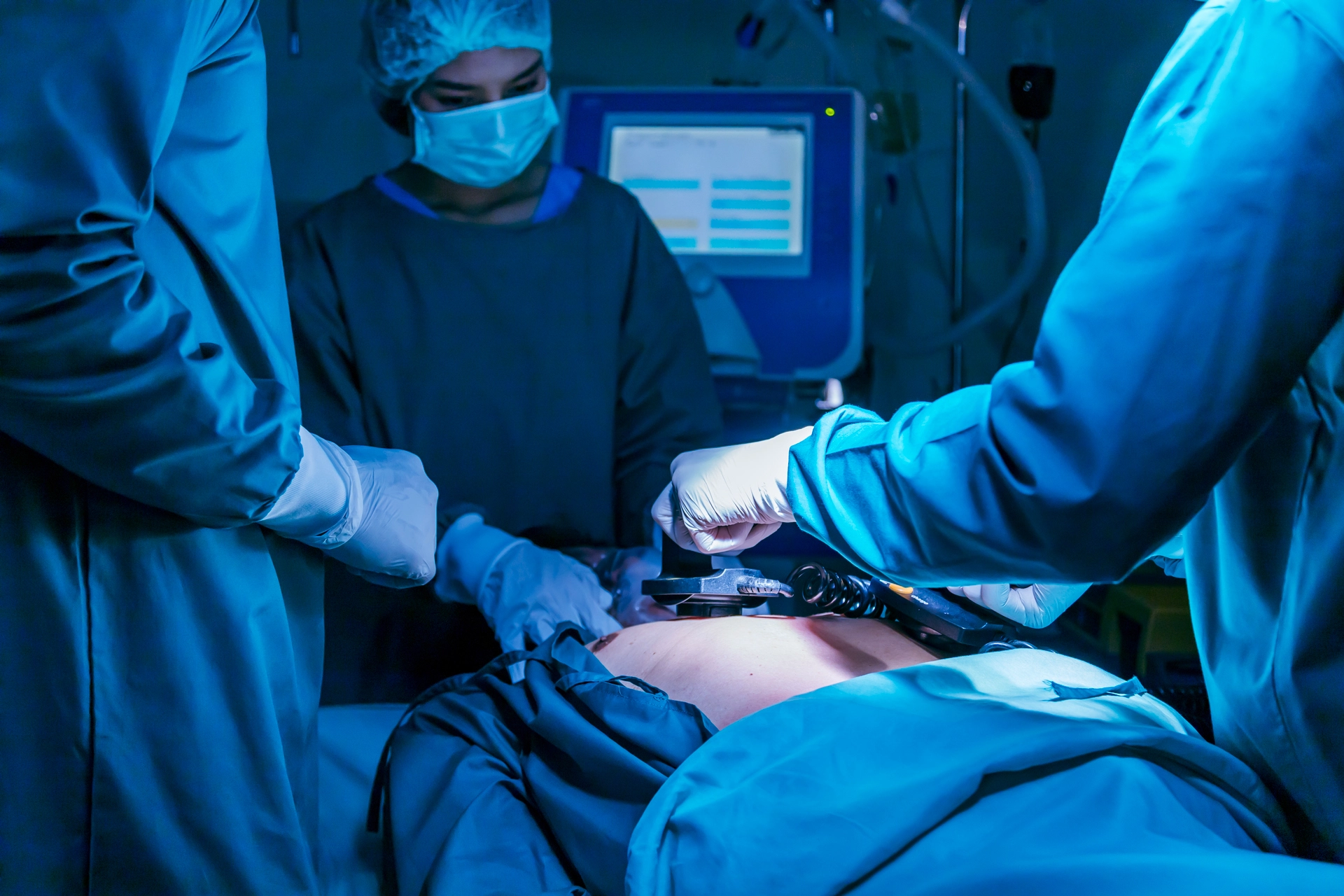
Under general anaesthesia, the surgeon makes three or four tiny incisions in the abdomen, each about 5 to 10 mm. A thin camera and fine instruments are inserted, and the gallbladder is carefully separated and removed. The procedure usually takes 45 to 90 minutes.
Benefits Over Open Surgery
- Smaller scars and less pain
- Lower risk of wound infection
- Shorter hospital stay, often one day
- Faster return to routine activities
Recovery: What to Expect
Most patients walk the same evening and go home within 24 to 48 hours. Light daily activities usually resume in about a week, and many return to desk work within 7 to 10 days. Your surgeon will advise on diet, wound care, and when to resume exercise. Mild bloating or shoulder pain from the gas used during surgery is common and passes in a day or two.
Possible Risks
Like any surgery, there are small risks, including bleeding, infection, or bile duct injury. These are uncommon in experienced hands, which is why surgeon expertise matters.
How to Choose the Best Laparoscopic Surgeon in Mumbai
Skill and experience directly affect safety and recovery, so look beyond convenience. When searching for the best laparoscopic surgeon in Mumbai, consider:
- Experience: how many laparoscopic gallbladder procedures the surgeon performs regularly.
- Qualifications: recognised surgical training and credentials.
- Technology: high-definition imaging and modern laparoscopic equipment.
- Communication: a surgeon who explains the procedure, risks, and alternatives clearly.
- Hospital infrastructure: ICU backup, experienced anaesthetists, and good hygiene standards.
- Patient reviews: honest feedback about care and follow-up.
The best laparoscopic surgeon in Mumbai for you is one who evaluates your case carefully and recommends surgery only when it’s truly needed.
Life After Gallbladder Removal
Most people eat normally after recovery. A few simple habits help:
- Start with light, low-fat meals and reintroduce foods gradually
- Eat smaller, more frequent meals
- Include fibre-rich fruits, vegetables, and whole grains
- Stay active and maintain a healthy weight
- Attend your follow-up visits
Final Thoughts
Recurrent gallstone pain is your body’s signal that the problem won’t resolve by itself. Delaying treatment risks complications and emergency surgery, while timely laparoscopic surgery offers lasting relief with minimal downtime.
At Zen Hospital, patients receive compassionate, personalised care from diagnosis to recovery. If you’re dealing with repeated abdominal pain, don’t wait for the next attack. Book a consultation today with the best laparoscopic surgeon in Mumbai at Zen Hospital and take the first step toward a pain-free life.
Frequently Asked Questions
Rarely. Stones don’t usually dissolve on their own, and symptoms often return. Surgery is the definitive treatment for recurrent pain.
Yes. It’s one of the most commonly performed surgeries worldwide, and complications are uncommon when done by an experienced surgeon.
Most patients go home within 1 to 2 days and resume light activities in about a week.
Yes. Some people have mild digestive changes at first, but most adapt well within weeks.
Check experience, credentials, hospital facilities, and patient feedback, and choose a surgeon who explains your options clearly.
Name: Zen Hospital / Zen Multispeciality Hospital
Address: Plot No. 425, 10th Road, Chembur East, Near Sandu Garden, Mumbai – 400071, Maharashtra, India.
Phone: Emergency: 022-35205600; OPD: 022-3520 5700 / 022-3520 5701
Email: [email protected]
Website: https://www.zenhospital.in/
