

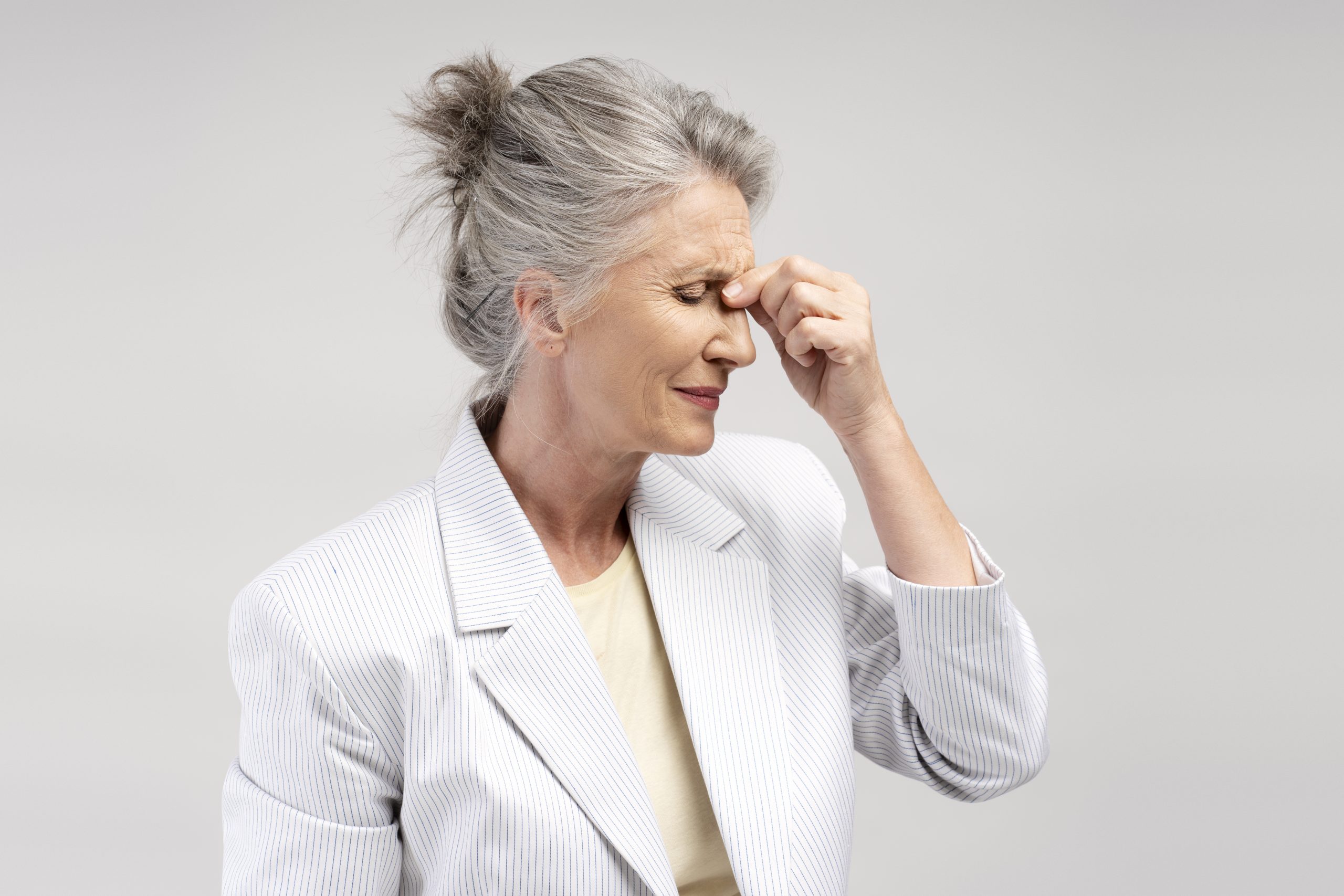
A stroke is a medical emergency that occurs when blood flow to the brain is interrupted, causing brain cells to become damaged or die. While many people are familiar with common stroke symptoms such as sudden weakness or difficulty speaking, women may experience several warning signs that differ from those seen in men. Recognizing these early symptoms can help ensure prompt medical attention and improve recovery outcomes.
At Zen Hospital, we emphasize the importance of early diagnosis and timely treatment because every minute matters when it comes to stroke care. Seeking expert Brain stroke treatment in Mumbai at the earliest sign of symptoms can significantly reduce the risk of long-term complications.
Understanding Stroke
What Is a Stroke?
A stroke occurs when the brain does not receive enough oxygen and nutrients due to a blocked or ruptured blood vessel. Without adequate blood supply, brain cells begin to die within minutes.
There are two primary types of stroke:
- Ischemic stroke (caused by a blocked artery)
- Hemorrhagic stroke (caused by bleeding in the brain)
Women and men share many stroke symptoms, but women often experience additional warning signs that can be subtle and easily overlooked.
Why Early Detection Matters
Quick recognition and treatment can prevent permanent brain damage, disability, and even death. Timely intervention improves the chances of a successful recovery and helps patients return to their daily activities sooner.
First Signs of Stroke in Women That May Differ from Men
Sudden Extreme Fatigue
Women may experience overwhelming and unexplained exhaustion before or during a stroke.
Common signs include:
- Severe tiredness without physical exertion
- Difficulty completing routine activities
- Feeling unusually weak
Unlike ordinary fatigue, this symptom often appears suddenly and may occur alongside other neurological symptoms.
Nausea or Vomiting
Women are more likely than men to experience digestive-related symptoms during a stroke.
These may include:
- Sudden nausea
- Vomiting without a clear cause
- Stomach discomfort
Because these symptoms resemble common gastrointestinal issues, they can delay recognition of a stroke.
Shortness of Breath
Unexpected breathing difficulties may be an early warning sign.
Symptoms include:
- Difficulty catching your breath
- Rapid breathing
- Feeling unable to take a deep breath
When accompanied by dizziness or weakness, immediate medical evaluation is essential.
Sudden Confusion or Mental Changes
Women may develop sudden cognitive symptoms that can be mistaken for stress or fatigue.
These may include:
- Disorientation
- Difficulty understanding conversations
- Trouble concentrating
- Memory disturbances
Any abrupt change in mental status should be treated as a medical emergency.
Fainting or Loss of Consciousness
Women are more likely to experience:
- Sudden fainting
- Brief loss of consciousness
- Unexplained collapse
These symptoms require urgent evaluation because they may indicate a serious interruption in blood flow to the brain.
Hiccups with Neurological Symptoms
Although uncommon, persistent hiccups accompanied by symptoms such as weakness, dizziness, or difficulty speaking may indicate a stroke, particularly in women.
Sudden Headache
A severe headache that develops suddenly and feels different from previous headaches can be a warning sign.
Red flags include:
- Intense pain without an obvious cause
- Headache accompanied by vision changes
- Headache with nausea or confusion
Dizziness and Loss of Balance
Women may experience:
- Sudden dizziness
- Difficulty walking
- Loss of coordination
- Unsteady movements
These symptoms can occur even without noticeable weakness.
Common Stroke Symptoms Shared by Men and Women
While some signs differ, several symptoms occur in both genders:
- Facial drooping
- Arm weakness
- Speech difficulty
- Vision problems
- Numbness on one side of the body
- Difficulty walking
The FAST method can help identify a stroke:
F – Face Drooping
A – Arm Weakness
S – Speech Difficulty
T – Time to Call Emergency Services
Risk Factors for Stroke in Women
High Blood Pressure
Uncontrolled hypertension remains the leading risk factor for stroke.
Diabetes
High blood sugar levels can damage blood vessels and increase stroke risk.
Heart Disease
Certain heart conditions can lead to blood clots that travel to the brain.
Hormonal Factors
Women may have unique risks related to:
- Pregnancy
- Menopause
- Hormone replacement therapy
- Birth control pills
Obesity and Physical Inactivity
A sedentary lifestyle contributes to high blood pressure, diabetes, and cardiovascular disease.
Smoking
Smoking damages blood vessels and significantly increases stroke risk.
When Should You Seek Medical Help?
Sudden Appearance of Symptoms
Any sudden neurological symptom should be considered an emergency.
Symptoms That Come and Go
Temporary symptoms may indicate a transient ischemic attack (TIA), often called a mini-stroke. A TIA can be a warning sign of a future stroke.
Family History or Existing Health Conditions
Individuals with hypertension, diabetes, heart disease, or a family history of stroke should remain particularly vigilant.
Diagnosis of Stroke
Physical and Neurological Examination
Doctors evaluate:
- Muscle strength
- Reflexes
- Coordination
- Speech and cognitive function
Brain Imaging
Imaging studies help determine the type and location of the stroke.
Common tests include:
- CT scan
- MRI scan
Blood Tests
Blood investigations help identify underlying causes and guide treatment decisions.
Cardiovascular Evaluation
Heart rhythm and blood vessel assessments may be performed to detect clot sources.
Treatment Options for Stroke
Emergency Medications
Clot-dissolving medications may be used in certain ischemic strokes when administered quickly.
Surgical Procedures
Some patients may require procedures to remove clots or control bleeding.
Rehabilitation
Recovery often includes:
- Physical therapy
- Speech therapy
- Occupational therapy
Personalized Care
Treatment plans depend on:
- Stroke type
- Severity
- Overall health
- Patient age
At Zen Hospital, patients receive comprehensive Brain stroke treatment in Mumbai through a multidisciplinary team focused on rapid intervention and long-term recovery.
Importance of Regular Health Checkups
Routine medical evaluations help identify risk factors before they lead to serious complications.
Benefits include:
- Blood pressure monitoring
- Diabetes screening
- Cholesterol management
- Lifestyle counseling
Regular preventive care plays a vital role in reducing stroke risk and improving overall health outcomes.
Final Thoughts
Stroke symptoms in women can sometimes be less obvious than those seen in men, making awareness especially important. Unusual fatigue, nausea, confusion, dizziness, shortness of breath, or sudden headaches should never be ignored. Early recognition and immediate treatment can save lives and prevent long-term disability.
At Zen Hospital, our experienced specialists provide advanced Brain stroke treatment in Mumbai, ensuring timely diagnosis, expert care, and personalized recovery plans. If you or a loved one experiences any warning signs of stroke, seek immediate medical attention and schedule a consultation with our specialists for comprehensive neurological care.
Frequently Asked Questions
Yes. Women may experience symptoms such as fatigue, nausea, shortness of breath, confusion, and fainting in addition to traditional stroke signs.
Facial drooping, arm weakness, and speech difficulty are among the most common early warning signs.
Yes. Severe, unexplained fatigue can be an early symptom, particularly in women.
Immediately. Stroke treatment is most effective when provided as early as possible.
Zen Hospital offers comprehensive stroke diagnosis, emergency management, rehabilitation, and long-term neurological care for patients seeking advanced Brain stroke treatment in Mumbai.
Name: Zen Hospital / Zen Multispeciality Hospital
Address: Plot No. 425, 10th Road, Chembur East, Near Sandu Garden, Mumbai – 400071, Maharashtra, India.
Phone: Emergency: 022-35205600; OPD: 022-3520 5700 / 022-3520 5701
Email: [email protected]
Website: https://www.zenhospital.in/
